
Free written scope consultation - allowances, timeline, and change-order rules on paper before a single trade is scheduled
CWS Home Additions & ADU: The Orange County Owner’s Guide
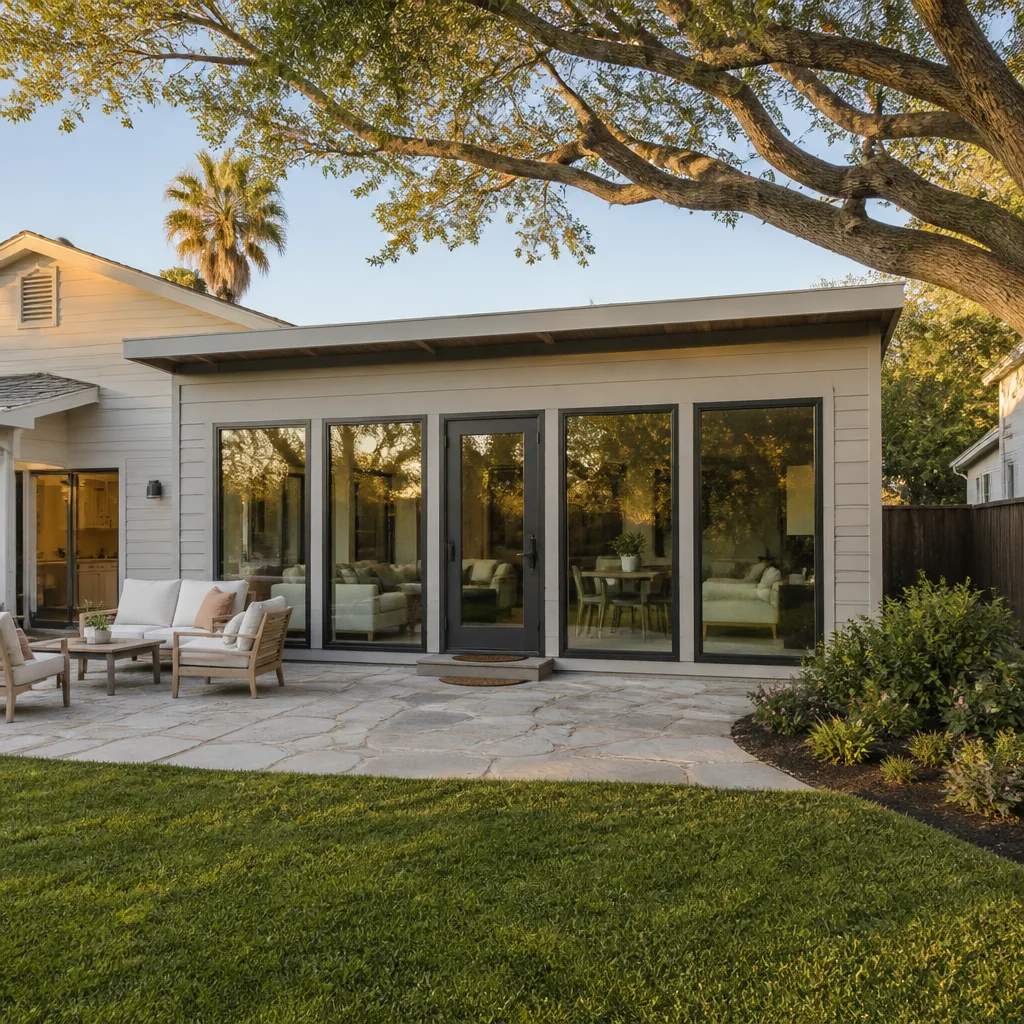
If you’re searching for “CWS home additions & ADU” in Orange County, you’re likely weighing a major investment: a detached ADU, a room addition, or a garage conversion on a property built with CWS construction standards. Installed costs for CWS-compatible additions and ADUs in Orange County typically run $45,000 to $130,000 for room additions and $90,000 to $220,000 for full ADU construction, depending on square footage, site access, and finish level. At Bradford Remodeling Co Orange County, we handle the structural, permitting, and finish work on these projects from the first field measure to the final inspection, with a written price before any work starts.
Most owners don’t call us because “the CWS part failed.” They call because they see cracks at the roofline where an older addition ties into the original CWS framing, or they’re planning an ADU and the city is asking for structural documentation, or they bought a home and discovered the previous addition was never permitted. The part that fails in a CWS home addition isn’t a widget; it’s the system: the connection details, the tie-in flashing, the subfloor under a converted garage, or the underdesigned framing that older CWS-tract additions often carry.
We’re an independent Orange County contractor, not affiliated with CWS, which matters when you’re dealing with warranty questions or needing an honest read on whether an existing CWS addition is sound. Curtis Lane grew up in East Los Angeles and trained at Los Angeles Trade-Technical College before running crews across Orange County for well over a decade, and our team has seen enough CWS-framed additions in Anaheim Hills, Orange, and Fullerton to know exactly where they hold up and where they don’t.
Which CWS Models This Applies To
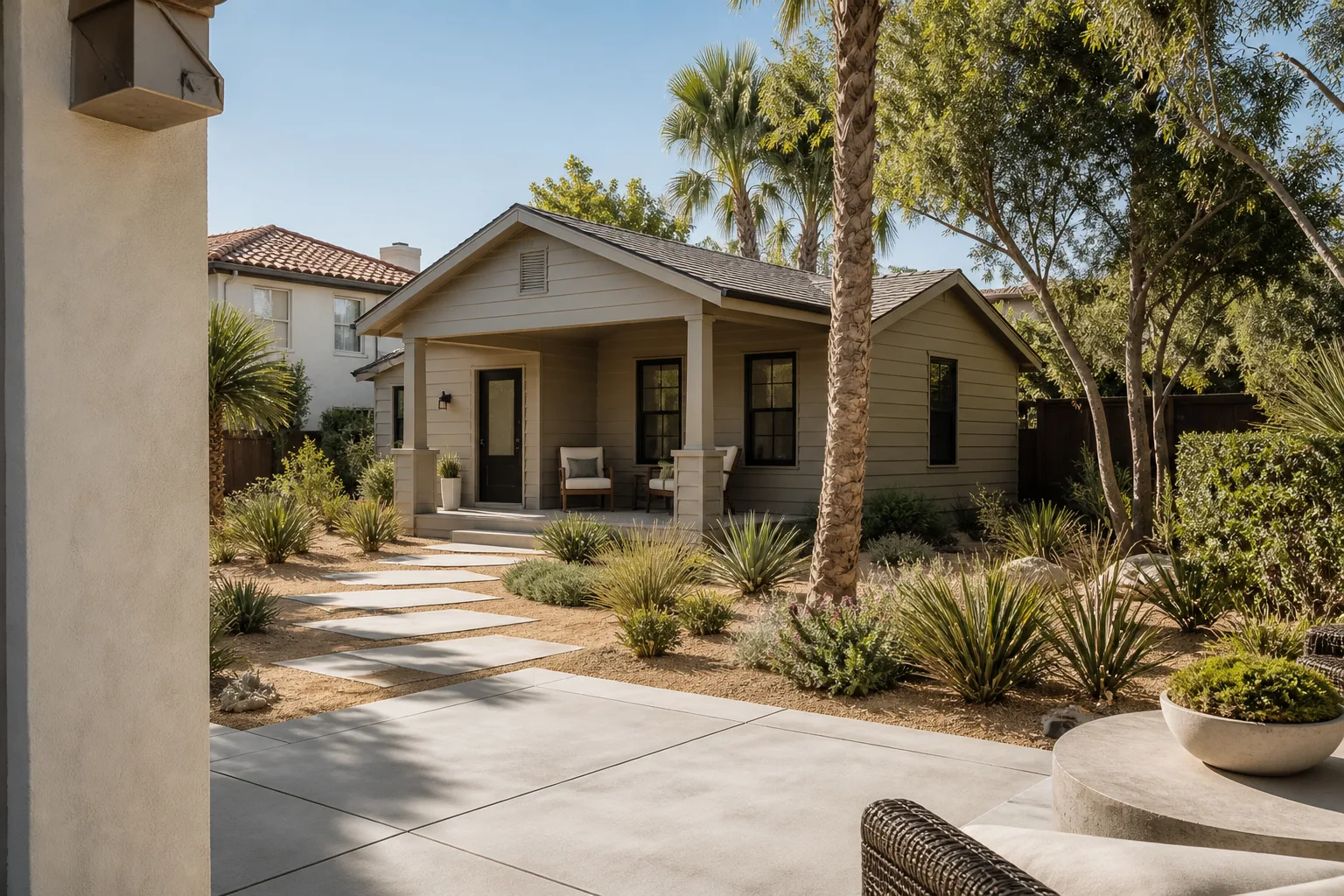
CWS (California Construction Services, with a heavy Orange County presence in the 1990s and 2000s) built thousands of tract homes and semi-custom additions throughout Orange County, from Yorba Linda to Mission Viejo. Unlike a branded appliance part with a model number stamped on a plate, a CWS addition is identified by what’s inside the walls: 2×4 framing on 16-inch centers in most cases, particular tie-down hardware at the connection points, and, in homes built before the mid-1990s, the site-specific foundation details that nobody documented well at the time.
When we field-measure for a CWS home addition or ADU in Orange County, we’re looking for three things. First, the roof pitch and eave detail at the existing structure: CWS tract homes often used a specific rake detail that newer additions need to match or deliberately contrast. Second, the floor system: post-tensioned slab homes (common in East Orange County communities built on expansive soils) can’t be cut into the same way a raised foundation can without engineering sign-off. Third, the original permit records: a surprising number of CWS-era Orange County additions were never pulled, and any new ADU or addition permit application will surface that gap.
There is no aftermarket “replacement” for a CWS addition the way there is for a sink or a window. The parts that do come in aftermarket equivalents are the finish materials: cabinet lines, countertops, doors, and windows. Bradford Remodeling Co Orange County works with documented, name-brand choices including KraftMaid and Wellborn cabinetry, Cambria and Silestone surfaces, Kohler and Moen fixtures, and James Hardie exterior cladding. The structural side, though, is engineered for the specific site, and we don’t substitute guesswork for calculation.
Styles & brands we work with







Signs Your CWS Home Additions & ADU Is Failing
These are the symptoms we see most often on CWS-era additions in Orange County, in the order of how urgently they need attention:
- Step cracking at the stair-step mortar joints where the addition meets the original house. This is differential settlement: two foundations moving at different rates. On post-tensioned slabs it’s often minor; on older raised foundations in areas like central Orange and Santa Ana, it can signal a footing that was undersized for the clay-heavy soil, which is common in central Orange County.
- A visible sag in the roofline at the connection point. Usually the ledger board or the beam pocket isn’t carrying the load across the seam. We see this on additions where the original roofline was extended without a structural engineer’s calc, and it worsens every year as Southern California’s wet-winter/dry-summer cycle works the framing.
- Doors that stick seasonally and windows that bind. In CWS-era Orange County add-ons, this is often a sign that the addition’s floor joists were sized for a bedroom, not a kitchen or living space, and the added weight is deflecting the floor. It’s a slow failure, but it never reverses on its own.
- Musty smell or efflorescence on the slab inside a converted garage. The original CWS garage slab wasn’t designed as living space: no vapor barrier, no real slope, minimal clearance. Orange County’s marine layer keeps north-facing elevations like Costa Mesa’s back lots damp enough that groundwater wicks through under a conversion with no capillary break.
- Kickout cracks at outside corners or diagonal cracks from window corners in less than 18 months after a remodel. This signals the work was done without addressing the original connection details, or that the new window openings were cut without proper header upgrades. We see this frequently on additions that were “permitted” by owners who never actually pulled a permit.
See the difference
 Before
 After
After Before
 After
After Before
 After
AfterReplacement Cost & What’s Included
For CWS-compatible work in Orange County, here’s how the pricing breaks down by project type:
- Home addition (300 – 800 sq ft): $45,000 – $130,000 installed
- ADU construction (garage conversion): $30,000 – $80,000 installed
- Detached ADU (new build): $90,000 – $220,000 installed
The spread comes down to four things: site prep and foundation work (a raised foundation on compacted fill in Orange Park Acres costs more to cut into than a slab in Irvine), how much of the original CWS framing can be reused versus replaced, the finish level you specify, and permit fees, which in many Orange County cities now include school district fees, park fees, and utility connection charges that can add $8,000 to $25,000 to the job before we drive a single nail.
Every quote from Bradford Remodeling Co Orange County is a written, line-item price before any work starts, and that number doesn’t move at the door. We pull permits, pass inspections, and stand behind the completed work with the 365-Day Done Right Promise: if anything fails inside that full year, we return and correct it at no charge. Straight number, clear scope, no surprises at final invoice.
DIY or Call Us?
An honest split: you can absolutely do the discovery work yourself. Walk the seam between the original CWS structure and the addition with a flashlight. Check for gaps in the flashing, visible connector hardware, and any gaps where the addition’s siding meets the original. Pull your property’s permit history from the Orange County building department or your city’s online portal. That’s useful, and it costs you nothing but a morning.
What you shouldn’t do is open the wall and start cutting into load-bearing CWS framing, attempt to shore a sagging roofline, or add square footage without engineering and permits. If the addition is carrying roof load, or you’re touching gas, electrical, or plumbing, a mistake costs more than hiring it out correctly the first time, and in Orange County, unpermitted structural work will surface when you sell the house. That’s a conversation with the buyer’s inspector you don’t want to have. If you’re seeing the symptoms above, call (562) 262-2907 and we’ll come out, look at the site, and tell you what’s actually wrong before you spend anything.
FAQs
A properly engineered CWS-era addition or ADU lasts 50+ years in Orange County, but the connection details between the original structure and the new build are the things that fail first, often within 15 to 20 years if they weren’t done with proper flashing, joinery, and moisture control. In coastal areas like Huntington Beach, add 5 to 7 years of accelerated wear at the connection seams because salt air works on the metal connectors. A properly tied-in addition built today, with stainless connectors and proper flashing, has lifespan measured in decades, not years. Call (562) 262-2907 and we’ll tell you what shape your connection details are in, free estimate included.
Most CWS additions can be repaired and re-flashed rather than torn down and rebuilt, unless the foundation itself is cracked, the framing has rotted, or the addition was built unpermitted, in which case Orange County code officials may require partial reconstruction anyway. We evaluate this on a case-by-case basis with an honest field walk, because rebuilding first is a waste of your money when a targeted repair holds just as long. Call (562) 262-2907 for a written assessment.
A typical room addition on a CWS-framed Orange County home runs 8 to 16 weeks once permits are approved, and a full detached ADU runs 5 to 8 months including design and approval, depending on slab work and finish level. Permitting alone in cities like Newport Beach and Laguna Beach can add 6 to 10 weeks of review time for ADUs. We schedule our crews to stay on the job until the walls are plumb and the corners are square, and we don’t chase three jobs at once like some Orange County operators do. Call (562) 262-2907 and we’ll give you a realistic schedule, not a best-case fiction.
We keep common connection hardware, flashing, and framing connectors in inventory, and we order project-specific engineered components, like whatever structural steel the engineer specs and whatever finish materials you select, directly from name-brand suppliers rather than guessing from a catalog. For CWS-era additions specifically, the “parts” are almost always site-built, not off-the-shelf. Call (562) 262-2907 and we’ll walk your project with you and tell you what’s ordered and what’s fabricated on site, and why.
Written by Curtis Lane, Owner, Bradford Remodeling Co – Orange County at Bradford Remodeling Co Orange County, serving Orange County and nearby areas.


