
Free written scope consultation - allowances, timeline, and change-order rules on paper before a single trade is scheduled
CGI Home Additions & ADU: The Orange County Owner’s Guide
A CGI home addition or ADU in Orange County typically runs $45,000 to $130,000 installed, depending on square footage, foundation type, and how much plumbing and electrical the project needs. Most homeowners call us after a first inspection from another contractor turned up a problem: a slab that wasn’t poured to the original spec, framing that settled out of plumb, or a roof tie-in that leaked during the first Santa Ana rain. Our crews have corrected enough CGI-connected additions across Orange County to know where these projects fail first, and we bring that into every estimate.
Key takeaways:
- Installed range in Orange County: $45,000 – $130,000 for a home addition; ADU work typically runs $90,000 – $220,000.
- CGI additions fail most often at the roofline tie-in and foundation connection, not in the framing itself.
- We write the price before any work starts. That written number doesn’t move unless the scope changes in writing.
- Every completed addition carries our 365-Day Done Right Promise, in writing.
Which CGI Models This Applies To
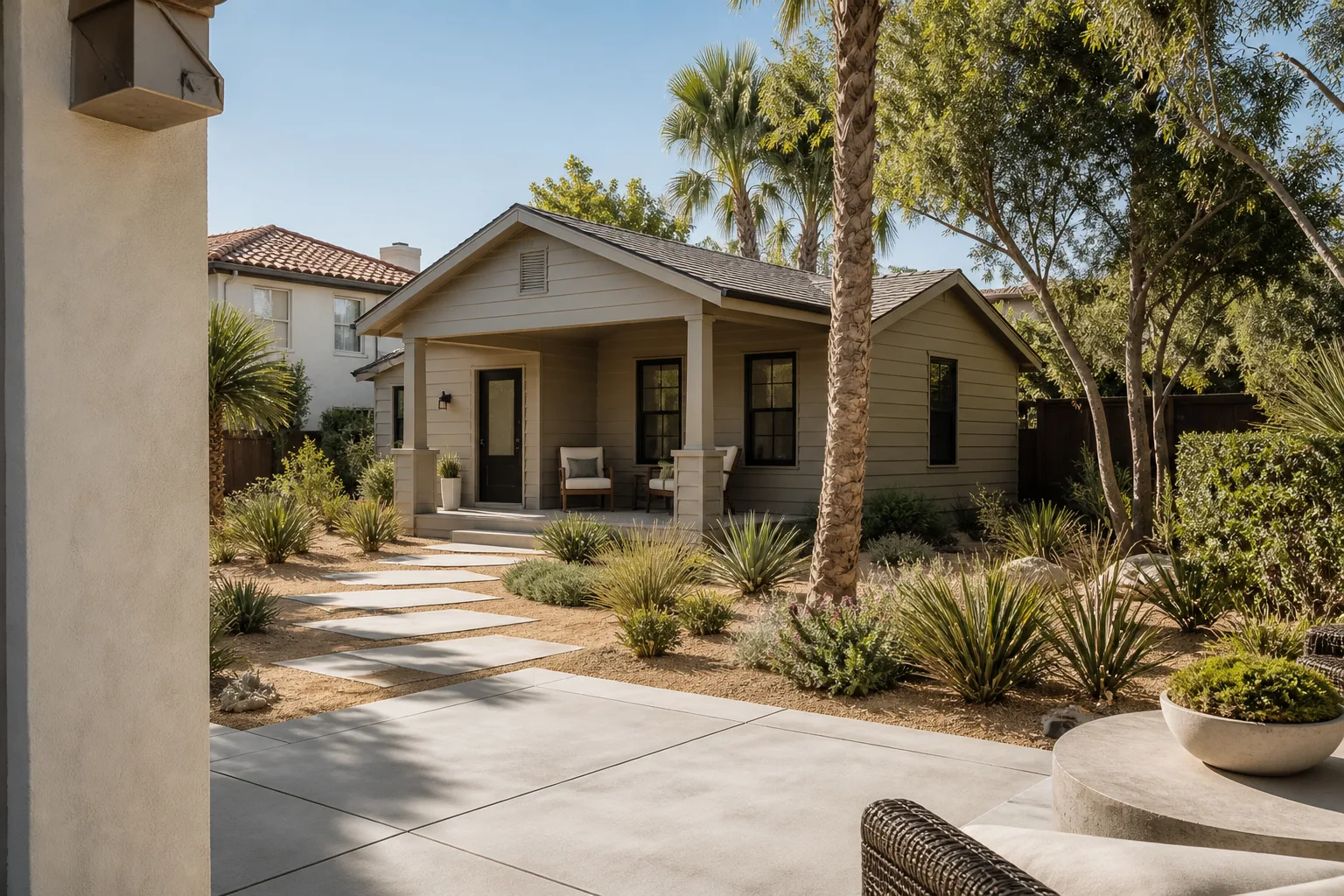
CGI produces a range of prefabricated wall panel systems and modular components used in room additions and accessory dwelling units, and the compatibility question usually comes down to how the panel was engineered, not which brochure it came from. We match replacement materials to the original CGI spec sheet whenever the homeowner still has it, and we can field-verify dimensions if that paperwork is long gone. The common point of confusion: CGI wall panels in older Orange County homes were often site-modified during the original build, so the nominal dimension on the label doesn’t always match what’s actually in the wall. We measure the rough opening, the slab edge, and the top plate height before any material is ordered.
On the OEM-versus-aftermarket question: for structural components tied into a CGI addition, we stay with matching or exceeding the original spec. For finish surfaces like siding trim, drywall, and window flashing, quality aftermarket equivalents from our documented brand roster, James Hardie for exterior cladding, for example, often outperform the original at a better cost. The deciding factor is whether the part carries structural load or is cosmetic. We’ll tell you which is which, in plain English, before you spend a dollar.
Styles & brands we work with







Signs Your CGI Home Additions & ADU Is Failing
- A visible crack running from the addition’s roofline down the wall, wider than a pencil line. This usually means the roof tie-in is pulling away from the original house, a common failure when the original connection relied on caulk and flashing instead of a proper ledger board.
- A floor slope or bounce inside the addition that wasn’t there six months ago. In Orange County’s clay-heavy soil in places like Fullerton and Anaheim, slab settlement from poor compaction moves a room slowly, and the floor is the first place you’ll feel it.
- Doors and windows in the addition that stick at the top or bottom but were fine during the first year. That’s frame movement, and it tells us the wall panel connections were never fastened to carry wind uplift the way current building code requires.
- Water stains at the ceiling edge where the addition meets the original roofline. The transition flashing is the most common leak point on any addition, and CGI panel systems depend on that flashing detail being executed exactly, no field improvisation.
- A musty smell in the addition after rain. That’s trapped moisture behind the wall sheathing, often because the exterior moisture barrier was damaged during the original panel set or never lapped correctly at the bottom plate.
See the difference
 Before
 After
After Before
 After
After Before
 After
AfterReplacement Cost & What’s Included
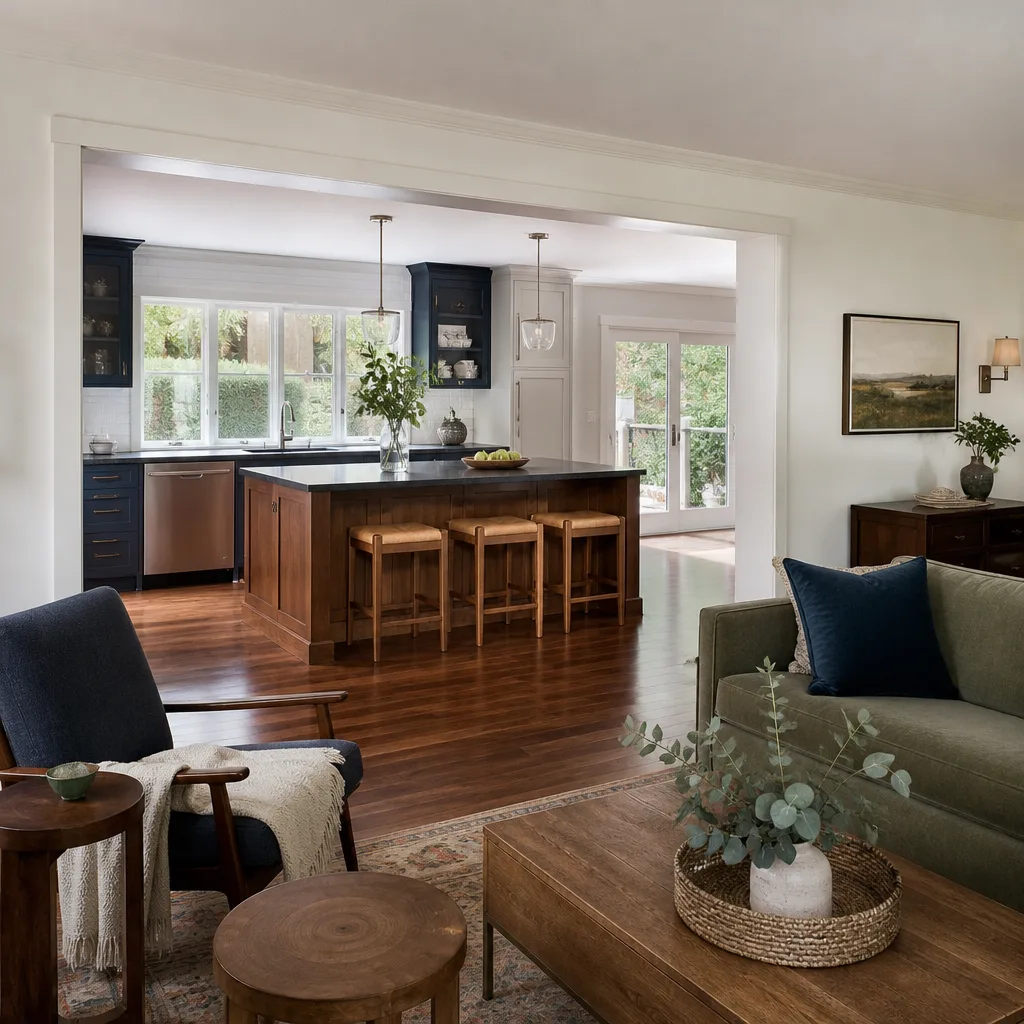
In Orange County, you’re looking at these installed ranges:
- Home addition (living space, tied to existing structure): $45,000 – $130,000
- ADU construction (detached, full kitchen/bath): $90,000 – $220,000
- Garage conversion to living space: $30,000 – $80,000
What moves the number most is square footage, which trades you’ll need on site (electrical, plumbing, HVAC depends on the space), and whether the existing foundation can carry the addition or needs new footings. Our written estimate separates materials, labor, and any required Orange County permit fees, so there’s no single-line number that hides three things inside it. Every completed addition or ADU from Bradford Remodeling Co Orange County carries our 365-Day Done Right Promise: if it fails within a year, we come back and fix it at no charge.
DIY or Call Us?
A homeowner can safely check the visible signs above: look at the roofline flashing, test the floor with a level, watch how doors swing. What you should not do is pull siding off the addition to inspect the tie-in, or attempt to re-shim wall panels yourself. The structural components of a CGI addition, the wall panel connections, the ledger attachment, the uplift strapping, are under continuous tension and compression load. Getting one wrong doesn’t just fail inspection, it creates a hazard for whoever sleeps in that room. Most Orange County building departments require a licensed contractor’s signature on structural repair permits anyway.
If the addition is showing movement, water, or separation, call (562) 262-2907 and we’ll walk the site with you. The estimate is free.
FAQs
A properly tied-in addition with correct flashing and foundation work should last the life of the original house, 40 to 60 years or more, but the roofline transition flashing typically needs replacement every 15 to 20 years in Southern California sun exposure. The panel structure itself doesn’t degrade, what fails are the connections and the weather barriers around them. Call (562) 262-2907 and we’ll inspect yours before you commit to any repair.
In most cases yes. If the framing is sound and the foundation hasn’t moved beyond accepted tolerance, we correct the tie-in, replace flashing, and re-secure wall panel connections without tearing the addition down. Full replacement only comes into play when structural rot, significant slab settlement, or the original panel system was so poorly installed that repairs would exceed replacement cost. We’ll show you the condition in writing either way.
A tie-in repair or flashing replacement usually runs 2 to 4 working days on site, weather dependent. A more involved structural correction, like re-anchoring panels or adding foundation support, can run 1 to 2 weeks. We put the schedule in the written scope of work before the first crew member arrives, and Curtis Lane checks the job himself before we call it done.
We don’t warehouse CGI panels; every order is matched to the specific job’s measurements and the original CGI spec when available. What we do keep on hand are the components that fail most often: flashing materials, structural connectors, moisture barriers, and standard framing lumber from name-brand suppliers. That gets most repairs moving without waiting on a special order. Call (562) 262-2907 for an exact materials list on your project.
Written by Curtis Lane, Owner, Bradford Remodeling Co – Orange County at Bradford Remodeling Co Orange County, serving Orange County and nearby areas.


