
Free written scope consultation - allowances, timeline, and change-order rules on paper before a single trade is scheduled
ECO Window Systems Home Additions & ADU: The Orange County Owner’s Guide
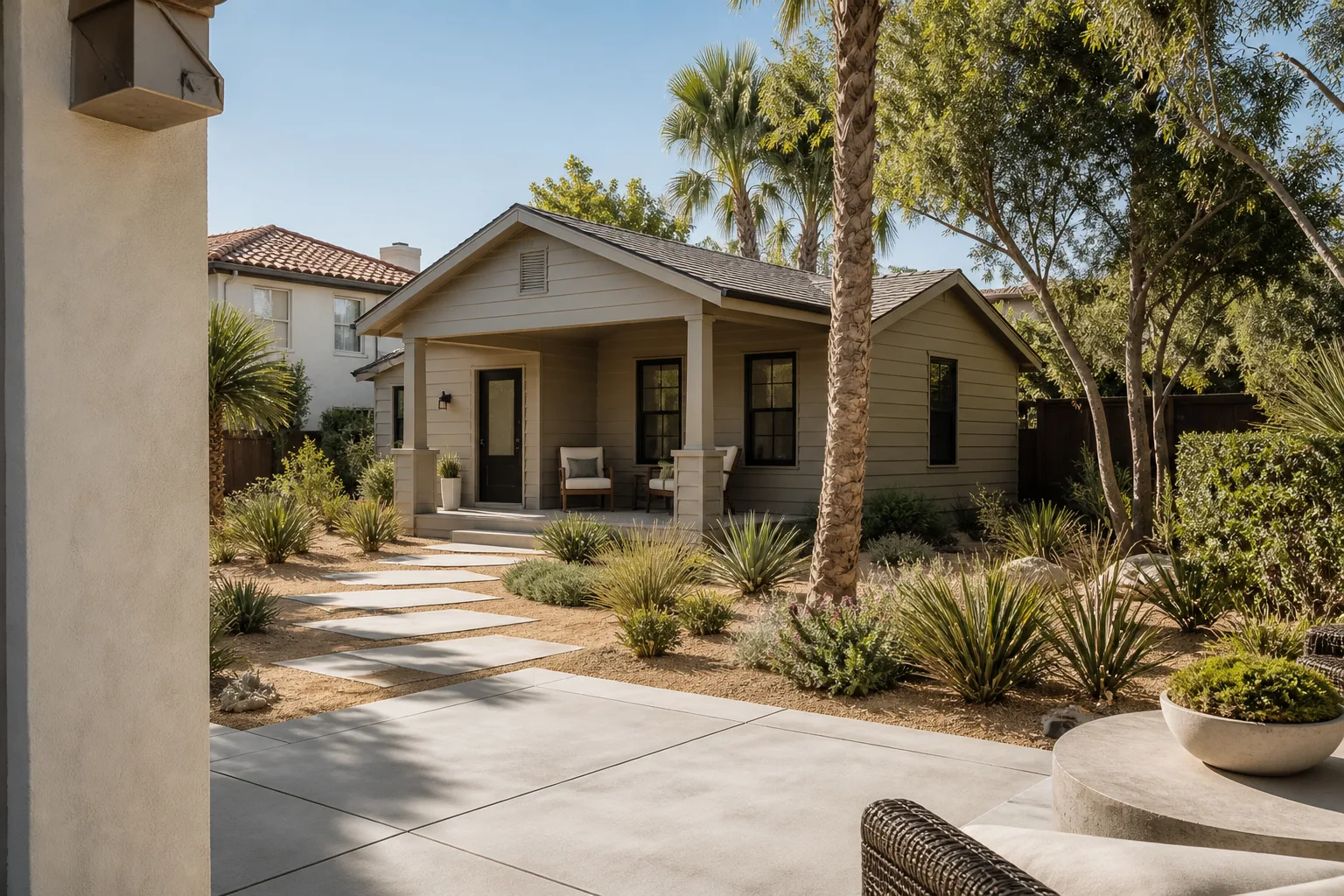
If you’re planning a home addition or ADU in Orange County and already have ECO Window Systems windows in your existing structure, you’re asking the right question: can we match the new build to your current windows without tearing out what works? Yes. We stock and install ECO Window Systems-compatible windows and doors for home additions and ADUs throughout Orange County, with typical addition projects running $45,000 to $130,000 and ADU construction falling between $90,000 and $220,000 depending on size, foundation work, and finish level. Most Orange County homeowners discover they need this conversation when they’re already looking at plans: the addition is drawn, the permits are in motion, and suddenly someone asks whether the windows will match. We make that a yes.
The Garrison Standard applies here the same as it does to a kitchen remodel: a written price before any work starts, a documented scope, and a 365-Day Done Right Promise on every completed project. You’ll know what the windows cost, what the framing costs, and what happens if something goes wrong inside that first year. Straight number, clear scope, no surprises at final invoice.
Which ECO Window Systems Models This Applies To
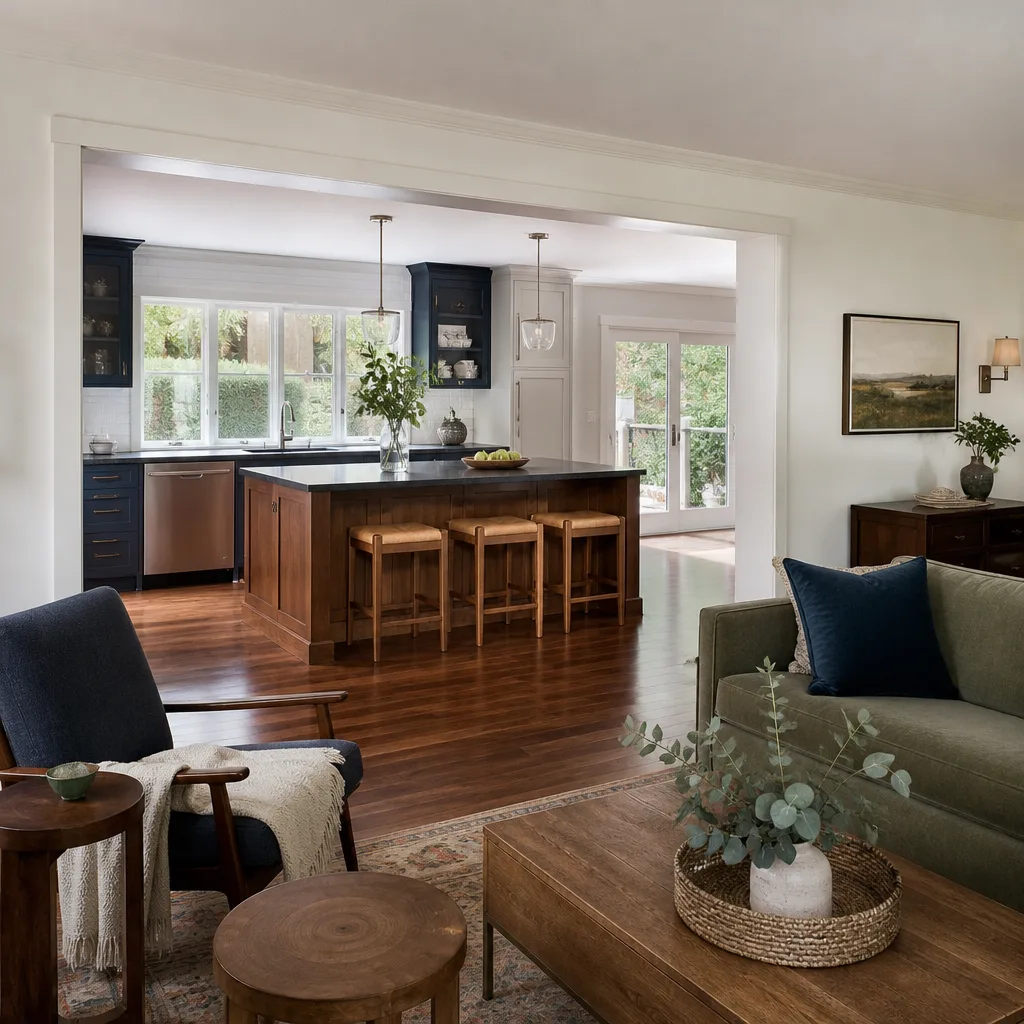
ECO Window Systems manufactures vinyl and aluminum window lines used in residential construction across Southern California, and the model range matters when you’re matching an addition to an existing home. The most common series we encounter in Orange County homes are ECO’s single-hung, double-hung, and horizontal slider windows, typically in white or tan vinyl frames. If your existing windows have a label on the inside track, look for the series number printed there; if the label is gone, we measure the frame depth and glass unit thickness on-site to identify the right match. This is where DIY guessing goes wrong: ECO has produced different frame profiles over the years, and a window that looks right from across the room may not seat correctly in a new rough opening or match the existing exterior reveal.
For OEM versus aftermarket on ECO Window Systems specifically: OEM is the cleaner path for additions where the new windows sit adjacent to existing ones. The extrusion profiles and glazing beads match what’s already on the house, which matters more than most homeowners expect. Quality aftermarket equivalents exist and can save money on detached ADUs where there’s no direct side-by-side comparison to the main structure, but we price both options and let the written quote show the difference. We’re an independent contractor, not affiliated with ECO Window Systems, which means we’re honest about when aftermarket makes sense and when it doesn’t.
A compatibility gotcha worth knowing: ECO sliders in older Orange County track homes often used 3-1/4″ frame depths, while newer ECO lines run 3-1/2″ or deeper. If your addition plans call for reusing existing window openings or matching trim lines, that quarter-inch difference changes how the interior casing sits against the drywall. We catch that in the walkthrough and write it into the scope before you spend a dollar.
Styles & brands we work with







Signs Your ECO Window Systems Home Additions & ADU Is Failing
Most Orange County homeowners don’t have a “failing home addition” so much as a failing set of decisions made during the last build. Here’s what we see on job walks:
- Condensation between the glass panes in newer sections. The insulated glass unit’s seal has failed. In Orange County’s coastal humidity cycles, seals on south-facing and west-facing windows break down faster than manufacturers’ optimistic lifespans suggest. If the existing house windows are clear but the addition’s windows fog, the addition used a different glazing package.
- Drywall cracks at the corners of windows and doors in the addition. The framing settled or was never properly tied to the existing structure. This is a structural call, not a cosmetic one. We send a lead carpenter to look at the cripple studs and header before anyone talks about patch and paint.
- Gaps between the window frame and the stucco or siding that widen over time. The original install didn’t flash the openings correctly, or the WRB (weather-resistant barrier) wasn’t lapped properly at the transition. Water is getting in. In Orange County’s winter rain patterns, this shows up as paint bubbling at the bottom corners first.
- Windows in the addition are harder to open and close than the originals. The frames were installed out of square, or the rough opening was oversized and shimmed unevenly. Over time the vinyl binds and the operating hardware wears prematurely.
- Noticeable temperature difference between the addition and the original house. This usually means the addition’s insulation was under-specified, or the window package doesn’t match the original home’s efficiency standard. On a hot Santa Ana day, you’ll feel it standing in the doorway between the two spaces.
See the difference
 Before
 After
After Before
 After
After Before
 After
AfterReplacement Cost & What’s Included
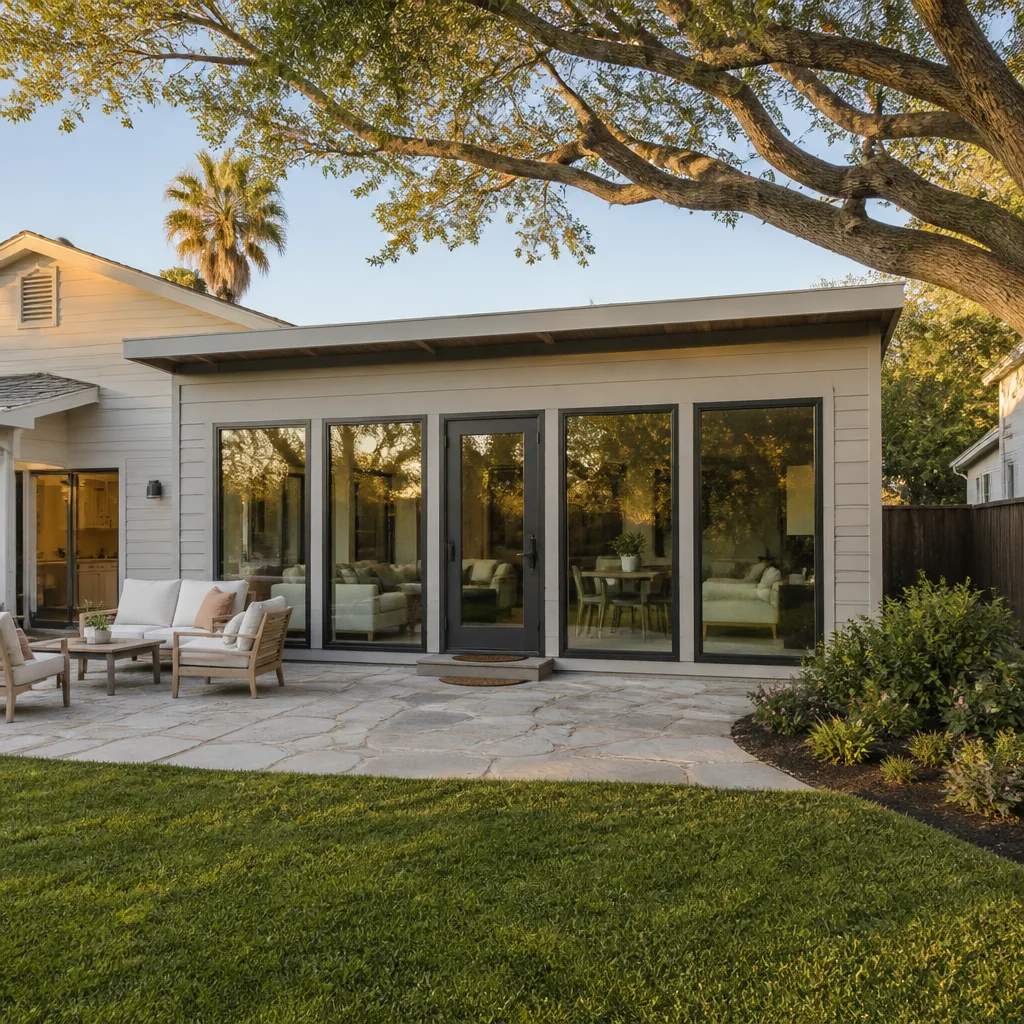
Home additions in Orange County run $45,000 to $130,000, and ADU construction falls between $90,000 and $220,000. The window portion of an addition is typically a line item within that range, not the whole job. When we’re matching ECO Window Systems windows within a larger addition or ADU, the window package itself depends on how many openings the plans call for, whether you’re matching existing ECO frames or going aftermarket for a detached structure, and whether the current window openings are being reused or reframed.
Every quote we write includes the full scope: framing, flashing, window installation, interior trim, exterior finish, and the written guarantee. There are no numbers that move at the door. If we find rot or framing damage once we open a wall, we stop, show you what we found, and put a change order in writing before anything else happens. That’s the difference between a Garrison Standard crew and the contractors Orange County homeowners are used to dealing with.
DIY or Call Us?
Home additions and ADUs are not DIY projects, and we’ll say that plainly. The framing, the foundation ties, the window flashing sequence, the WRB overlap at the roofline, the shear wall requirements for Orange County’s seismic zone: this is structural work that requires a permit, an inspection, and a crew that knows the county’s building code. Cutting into your home’s exterior envelope to add square footage without proper flashing and structural ties is how you end up with dry rot, water intrusion, and a failed inspection. That said, there are things an owner can check before we arrive: look at the existing windows and note which series and style you have, photograph the labels on the interior tracks, and measure the rough openings if you’re planning to match sizes. That saves a visit and helps us write the quote faster. For everything else, call (562) 262-2907 and we’ll walk the site with you.
FAQs
In Orange County’s climate, ECO vinyl windows typically hold up 15 to 25 years before frames show measurable wear or seals begin failing on sun-exposed elevations. Coastal homes near the salt air in Huntington Beach or Newport Beach can see frame and hardware corrosion accelerate that timeline at the lower end. Windows on inland routes facing west take more UV damage than any other orientation.
It depends on the failure. Failed window seals can be addressed with replacement insulated glass units or full window swaps without touching the framing. Drywall cracks at corners, gaps at the stucco line, or evidence of water intrusion require a structural assessment before anyone quotes a price. We’ll tell you honestly which kind of job you have. Call (562) 262-2907 and we’ll schedule a walkthrough.
Most additions run 3 to 6 months from permit approval to final inspection. ADUs typically run 4 to 8 months depending on whether it’s an attached conversion or a detached new build. The window installation portion is days, not weeks, when the openings are framed and ready. We write the schedule into the scope, and Curtis Lane holds the crew to it.
We stock common ECO Window Systems single-hung and slider sizes in our Orange County yard and order non-standard sizes direct through our supply chain, which includes cabinetry and surface brands like KraftMaid, Cambria, and Silestone for the interior finishes that complete an addition or ADU. If your plans call for a specific size that isn’t in our inventory, we quote the lead time in writing before the job starts.
Written by Curtis Lane, Owner, Bradford Remodeling Co – Orange County at Bradford Remodeling Co Orange County, serving Orange County and nearby areas.


