
Free written scope consultation - allowances, timeline, and change-order rules on paper before a single trade is scheduled
American Standard Home Additions & ADU: The Orange County Owner’s Guide
Home additions and ADU construction in Orange County typically run $45,000 to $130,000 for the addition, and $90,000 to $220,000 for a detached ADU. We plan, permit, and build both, start to finish, with American Standard fixtures and finishes spec’d where they make sense. Most Orange County homeowners don’t discover a failing addition or ADU part until there’s water staining at a corner, a door that won’t latch, or a crack running through drywall at the room’s weakest point.
What we see most often in Orange County: stucco cracks from expansive clay soil in Anaheim Hills and Yorba Linda, drywall separation from undersized headers over wide openings, and moisture intrusion at roof-to-wall transitions on flat-roof ADUs near the coast. American Standard fixtures themselves are reliable. The structure around them is where things go wrong when the original build skipped on substrate or flashing. We’re an independent contractor, not affiliated with American Standard. We install and service their products, but our warranty on the build itself is ours alone.
Which American Standard Models This Applies To
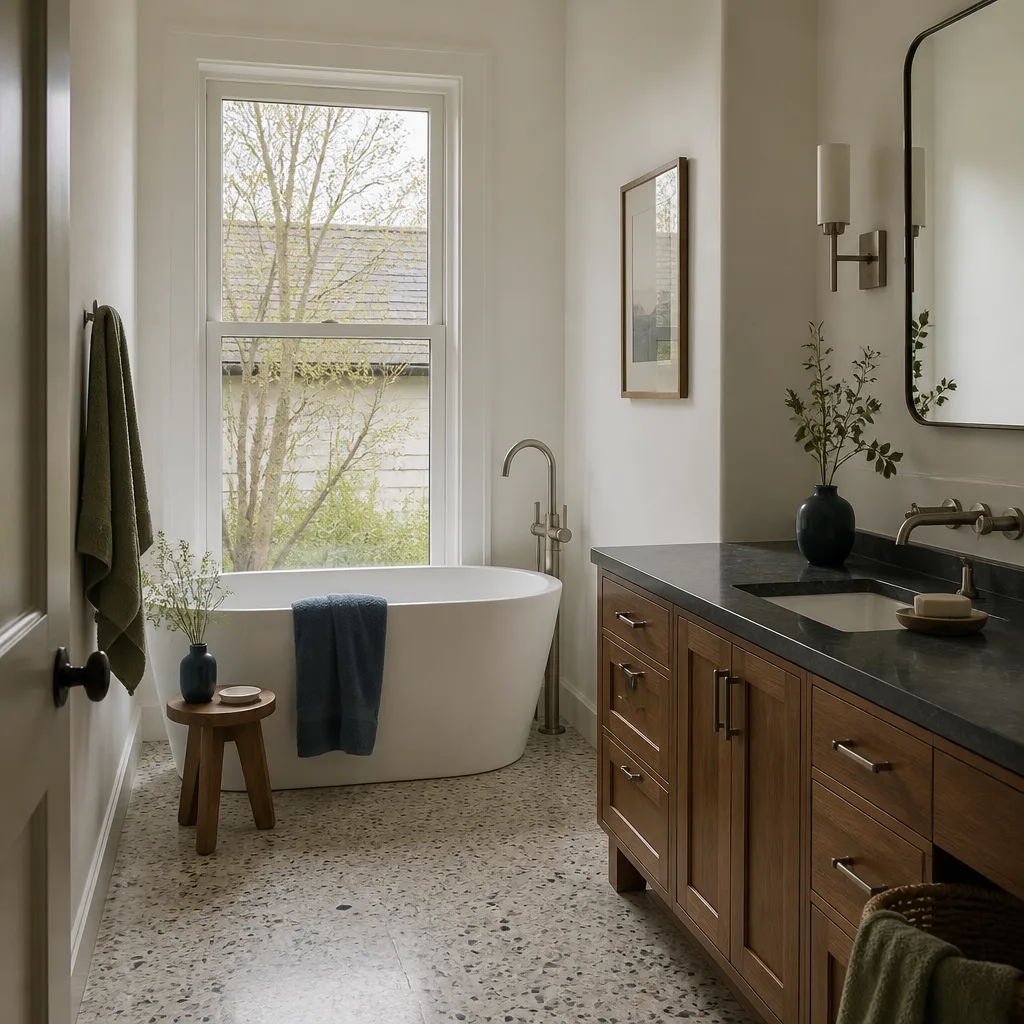
American Standard doesn’t make home additions. They make the fixtures, fittings, and surfaces that go into them. The product lines that matter here are the American Standard bathroom and kitchen collections: think Studio S, Boulevard, and Town Square S faucets, Cambridge and Princeton tubs, and their Colony and Cadet toilet lines. These are the parts that get roughed into an addition or ADU during construction, and they’re the parts we spec against specific valve bodies and rough-in dimensions before the walls close.
Here’s the compatibility gotcha most Orange County homeowners hit on a repair or retro: American Standard pressure-balance shower valves need a specific rough-in depth behind the finished wall. If your drywall or tile sits outside that tolerance, the trim kit won’t seat. We check rough-in depth with a gauge before drywall goes up, not after tile is set. For any American Standard fixture going into an addition or ADU, the model number is stamped on the underside of the faucet spout or inside the toilet tank. Write it down. If you don’t have it, a photo of the fixture plus the valve body is usually enough for us to identify the part on the first visit.
OEM American Standard parts carry their limited lifetime warranty on function and finish. Quality aftermarket cartridges and trim kits exist, but we default to OEM for anything inside a wall. The cost difference is small. Tearing out tile to reach a failed aftermarket cartridge isn’t.
Styles & brands we work with







Signs Your Home Addition or ADU Is Failing
- Sticking doors or windows. When a framed opening shifts because a header is undersized or the foundation is settling, the door slab binds against the jamb. In Orange County’s clay-heavy soil zones, this shows up within the first three years if the footing wasn’t engineered right.
- Drywall cracks at corners, especially over doorways. Stress concentrates where wall and ceiling meet. Cracks that run diagonal from a door corner usually mean framing movement, not bad mud work. Tape it over and it comes back in a season.
- Musty smell or water staining at the ceiling-to-wall transition of a flat or low-slope roof ADU. Coastal moisture plus poor flashing at the roof-to-wall junction is the classic Orange County ADU failure. You’ll see it first in the corner that faces the prevailing wind.
- Windows or sliding glass doors that fog between panes or leak at the sill. If the nailing fin wasn’t flashed with proper tape and a pan under the sill, water gets behind the stucco and rots the header. You won’t see the rot until the window comes out.
- Floor squeaks that get worse, or a floor that dips. A joist network that wasn’t sistered or blocked correctly becomes obvious after furniture load hits it. In additions, the failure is usually from the junction between the old structure and new.
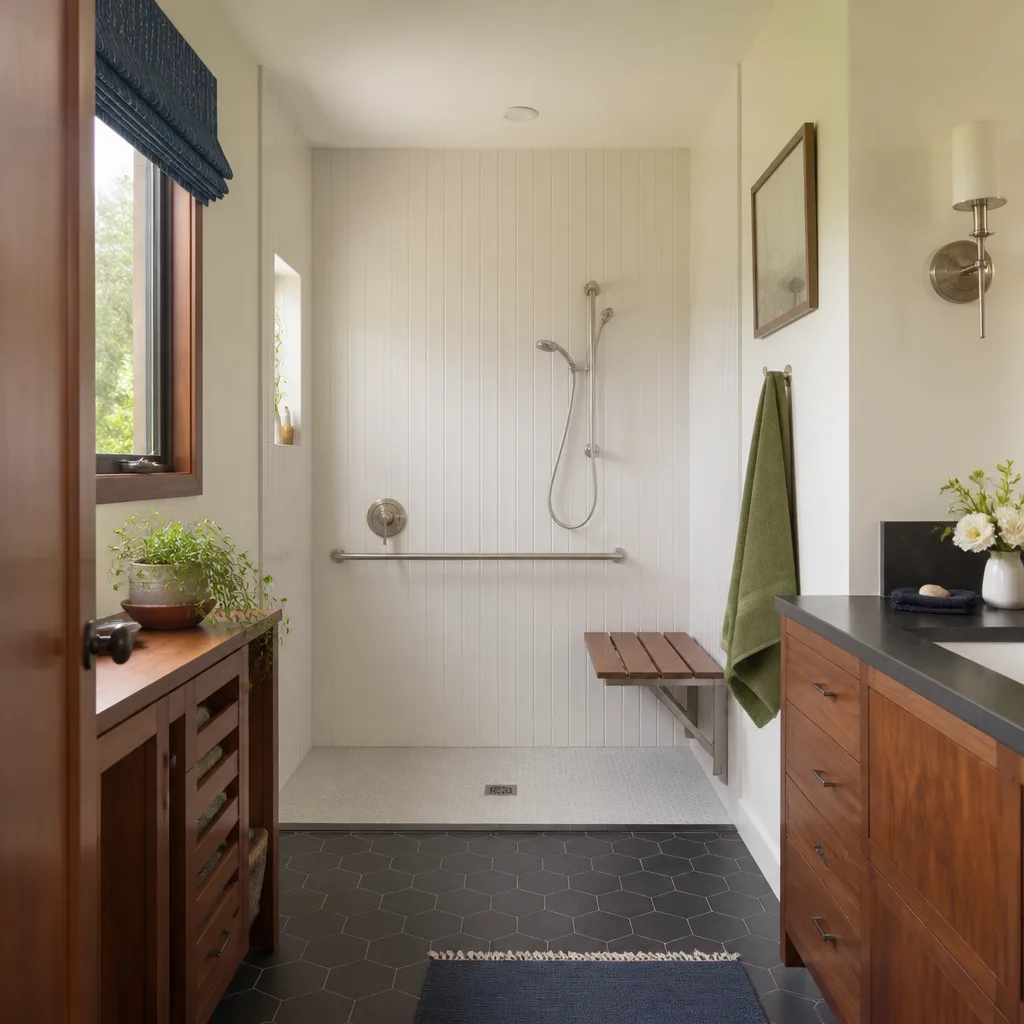
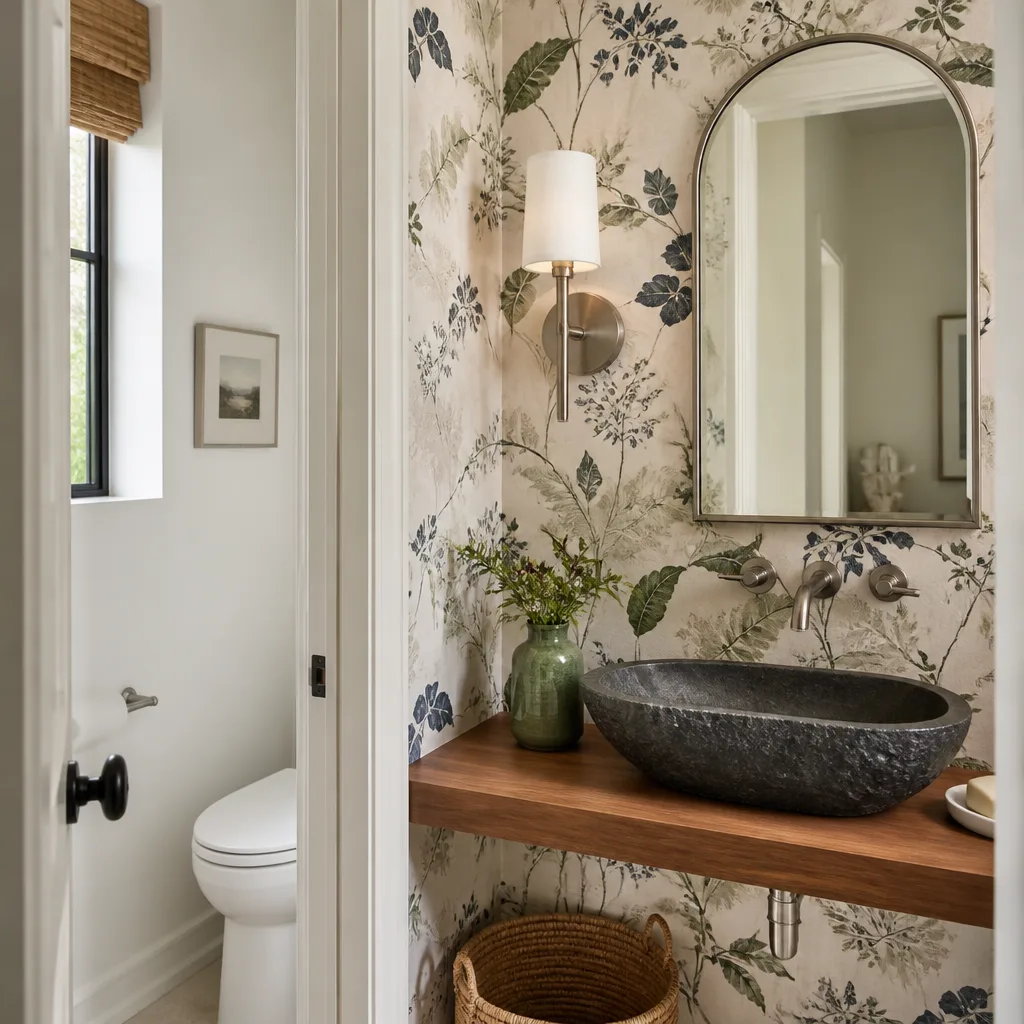
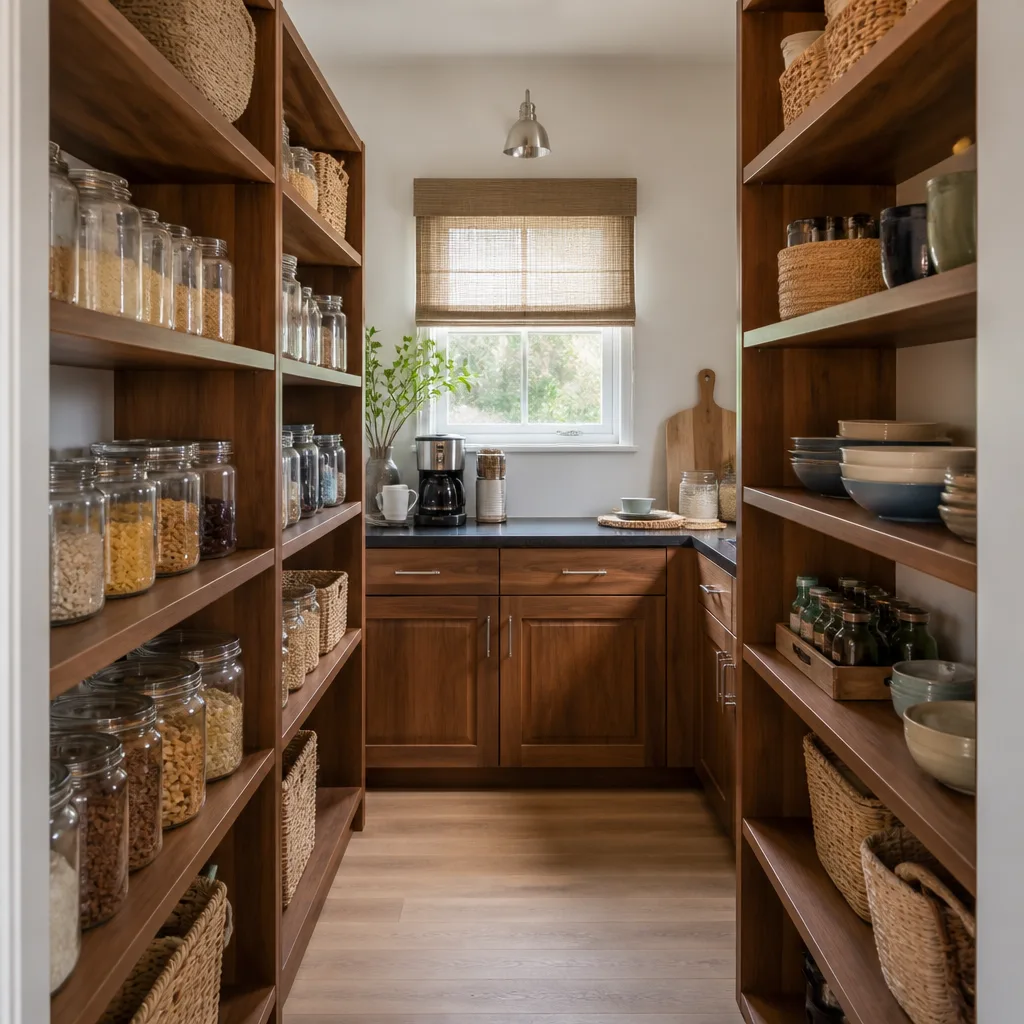
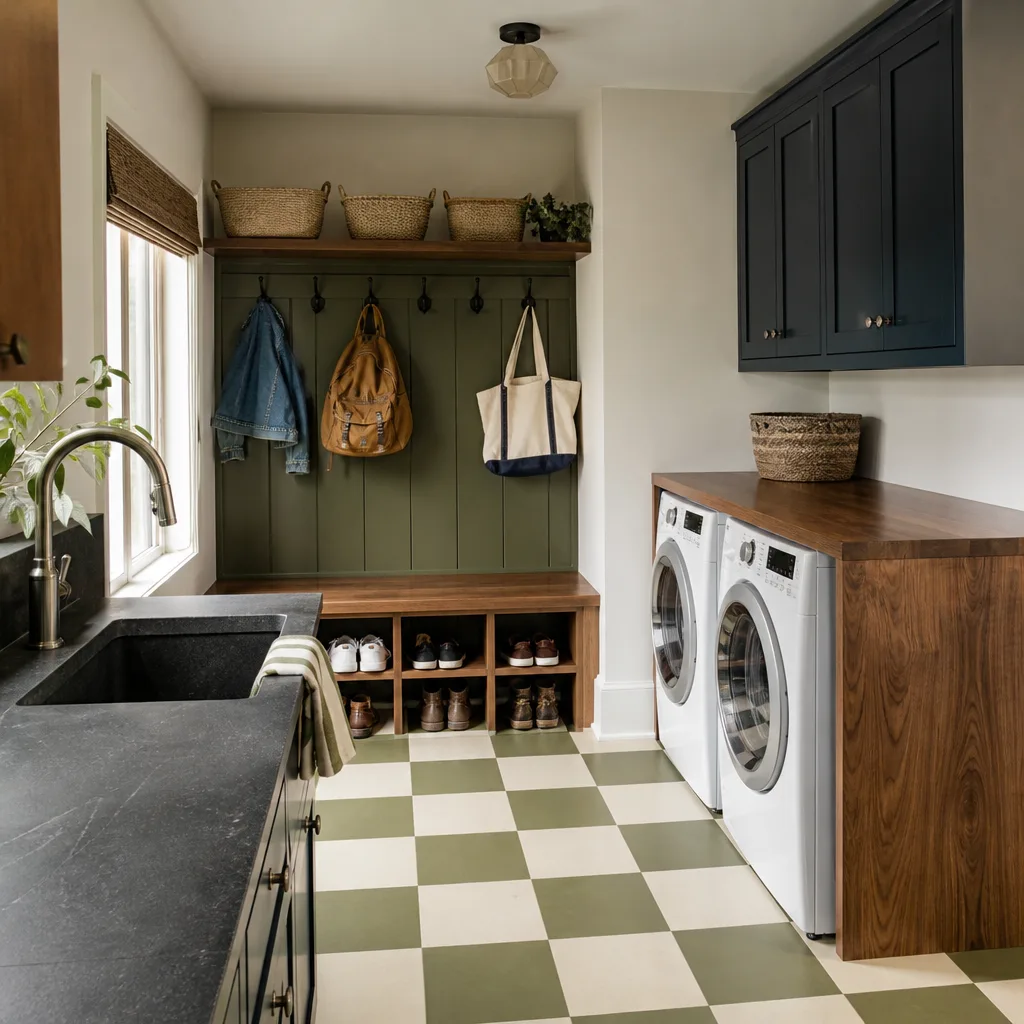
See the difference
 Before
 After
After Before
 After
After Before
 After
AfterReplacement Cost & What’s Included
In Orange County, a home addition runs $45,000 to $130,000. A detached ADU runs $90,000 to $220,000. Those numbers cover plans, engineering, permits, foundation, framing, roofing, rough electrical and plumbing, insulation, drywall, paint, flooring, and American Standard fixtures installed. What drives the spread: square footage, foundation type (raised vs slab), whether sewer or electric service needs a new lateral or panel upgrade, site access, and the city you’re in. Permitting fees in Irvine run differently than they do in Santa Ana.
We give a written line-item price before any work starts. That’s a hard rule at Bradford Remodeling, and it’s part of The Garrison Standard we’re held to. No allowances that balloon at change-order time, no “we’ll figure it out at framing.” If something outside the written scope is found during demo, we stop, document it, and give you a written number before we touch it. All work carries our 365-Day Done Right Promise: if it fails inside the first year, we come back and correct it at no charge.
DIY or Call Us?
You can check the visible things: run your fingers along drywall seams, see if doors latch, walk the floor and feel for dips. That tells us where to look before we even open a wall. But framing, foundation work, and roofing are not weekend projects. A home addition means cutting into an existing roof, tying new framing to old, and running load down to the ground. Get a header size wrong and the ceiling sags for the life of the house. Gas lines, panel work, and structure are where a trained crew earns its money. If you’re in Orange County and you’re seeing any of the signs above, call us at (562) 262-2907. We’ll walk the job and tell you what’s actually wrong, straight.
FAQs
A properly built addition or ADU should last 50+ years structurally, with roofing and siding replacement cycles every 20 to 30 years depending on material and coastal exposure. Clay soil movement and coastal moisture are the two Orange County factors that shorten that lifespan if the original engineer or framer cut corners. Call (562) 262-2907 if you want us to inspect what you have before committing to a fix.
Usually yes, if the issue is isolated to one area: a failed window header, a bad roof-to-wall flashing detail, or a section of settling foundation can often be corrected without tearing everything out. If the problem is systematic, which means framing, foundation, and waterproofing all failed together, a partial rebuild is the honest answer. We’ll tell you which one you have after a walkthrough, and the estimate is free.
Plan for 6 to 12 months, start to finish. Permitting takes 4 to 12 weeks depending on the city. Coastal cities with stricter review cycles push toward the longer end. We keep the schedule in writing and we keep our trades held to it. Curtis Lane runs our Orange County crews the way he ran jobs out of LA Trade-Tech: you can’t rush the fundamentals and expect a clean result.
We stock American Standard rough valves, cartridges, trim kits, and common toilet repair parts on our trucks for service work. For a full addition or ADU build, we order the exact fixtures and finish sets for your spec after you approve the written materials list, and they arrive before rough-in so nothing waits on parts. We also work with KraftMaid and Cambria for cabinetry and Silestone surfaces where the scope calls for it.
If your Orange County addition or ADU is showing signs of trouble, or you’re planning one and want a straight number before any work starts, call (562) 262-2907 to schedule your free estimate. Straight number, clear scope, no surprises at final invoice.
Written by Curtis Lane, Owner, Bradford Remodeling Co – Orange County at Bradford Remodeling Co Orange County, serving Orange County and nearby areas.


