
Free written scope consultation - allowances, timeline, and change-order rules on paper before a single trade is scheduled
Cambria Home Additions & ADU: The Orange County Owner’s Guide
If you’re planning a home addition or ADU in Orange County and want Cambria quartz surfaces throughout, expect the full project to run $45,000 to $130,000 for an addition, and $90,000 to $220,000 for a detached ADU. Bradford Remodeling installs Cambria on every surface we build, from kitchen counters in a garage conversion to vanities in a new primary suite. Most Orange County owners reach the Cambria decision late in planning, after the framing is up and the cabinet order is due, so we stock Cambria sample kits and spec guides on the truck for exactly that moment.
The typical failure point isn’t the Cambria itself. It’s the substrate or the template. We get calls from Orange County homeowners whose Cambria overhang cracked because the previous contractor skipped the plywood subtop on a peninsula, or whose seam opened up because the cabinets weren’t leveled before the slab went down. Cambria rarely fails on its own; the ground underneath it does.
Which Cambria Models This Applies To
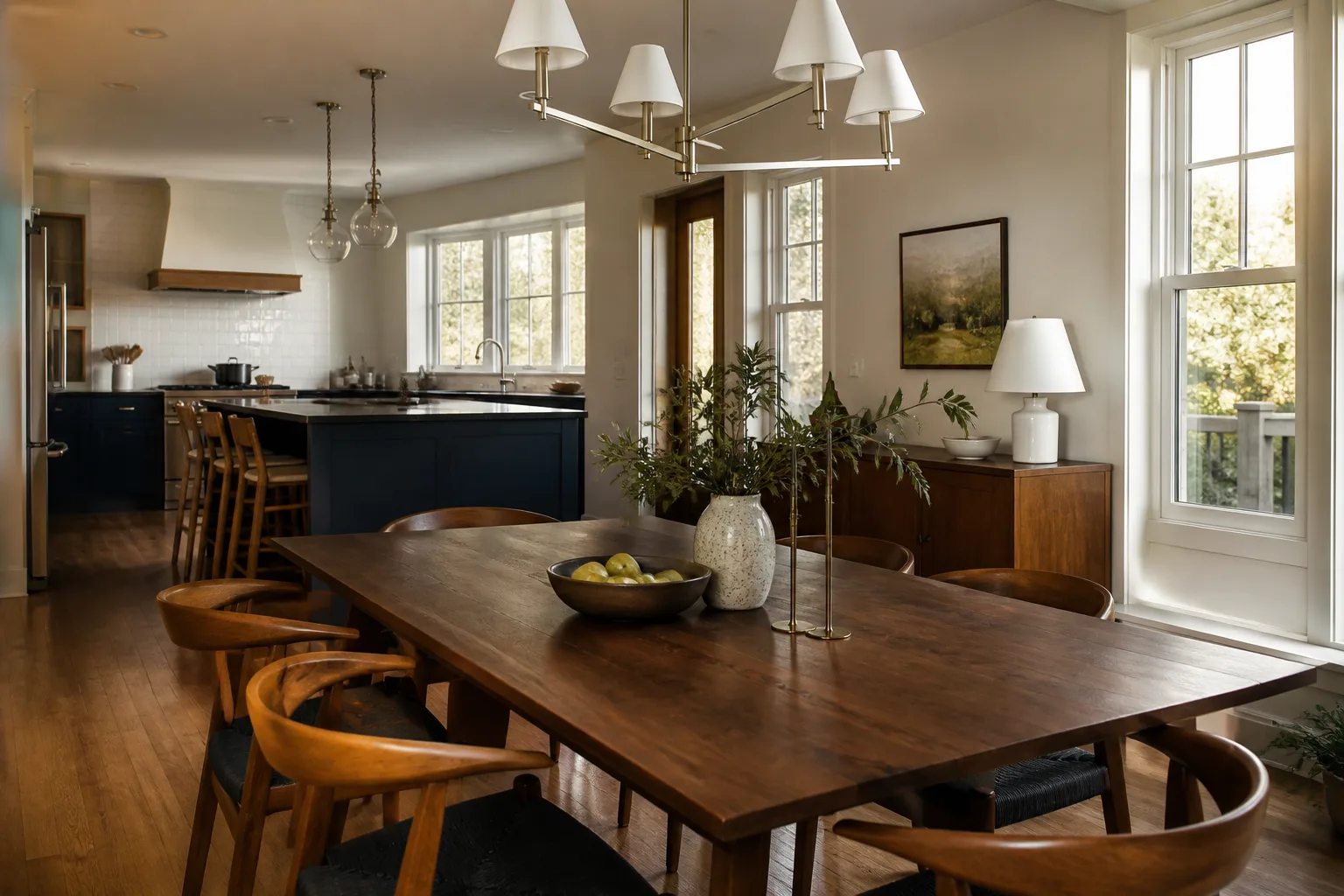
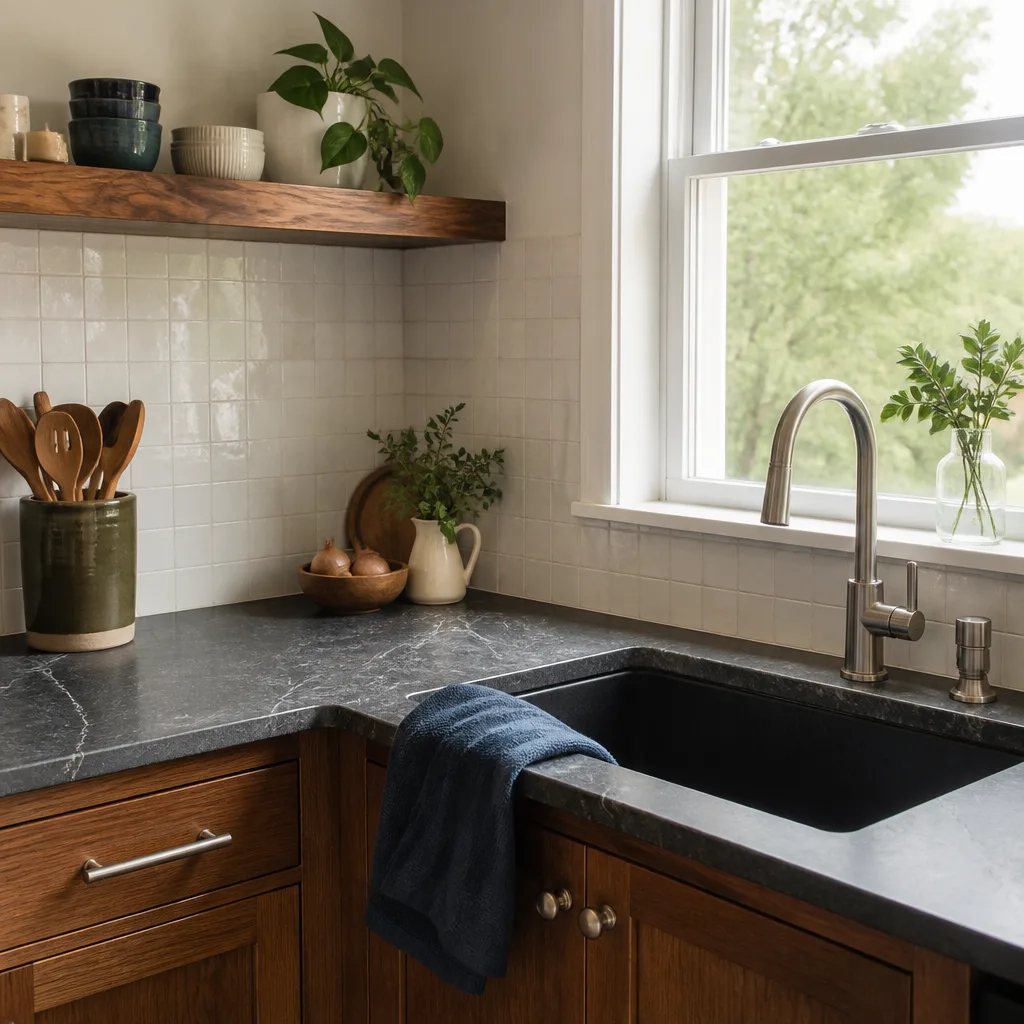
Cambria runs a single quartz line with over 200 design patterns, so the compatibility question isn’t about model numbers the way it is with appliances. The real question is thickness and finish. Cambria comes in 1cm, 2cm, and 3cm slabs. For home additions and ADUs in Orange County, we spec 3cm for countertops and islands because it carries the overhang load without extra support. For shower walls, vanity tops, and fireplace surrounds, 2cm is the standard call unless the homeowner wants a thicker edge profile.
Every Cambria slab ships with a lot number and a design name printed on the edge label. If you’re matching a failed section to existing Cambria, that design name matters more than anything. Cambria retires colors regularly, and a color that was current three years ago may be discontinued today. We keep a running list of what’s still orderable and tell homeowners upfront if their pattern is gone, before they spend money on templating.
One note: Bradford Remodeling is an independent Orange County contractor. We install Cambria and work directly with Cambria-certified fabricators, but we’re not a Cambria company and don’t present ourselves that way. The warranty language comes from Cambria’s own documentation, and we don’t blur that line.
Styles & brands we work with







Signs Your Cambria Home Additions & ADU Is Failing
- Seam separation at the miter corner. This is the most common failure we see in Orange County. Quartz expands and contracts with temperature swings, and a tight miter cut with no expansion room will pop the seam. The fix is usually a re-cut and epoxy fill, not a full slab replacement.
- Cracking near the sink cutout. That’s a support failure underneath. When the cabinet rim doesn’t carry weight evenly, or the installer skipped corner radius relief cuts, the slab flexes every time someone leans on the sink. The crack will keep growing until the support issue is fixed.
- Dulling or etching in high-use areas. Cambria is non-porous and doesn’t etch like marble, but a fabricator using the wrong polishing compound can scuff the surface. If the finish looks cloudy next to an unused section, it’s a fabrication issue, not a material defect.
- Overhang bounce on a peninsula or island. Stand at the overhang and press down. If it moves, the corbel spacing is wrong or the subtop is undersized. That movement is what leads to stress cracks, and it’s avoidable with proper blocking during the rough-in.
- Visible chip on the front edge. Chips happen from impact, but the repair isn’t as simple as glue. A proper chip fill blends resin with quartz dust from the same slab lot, and we’ve seen botched fills that look worse than the original chip. Bring a fabricator in for edge chips; don’t hand it to a handyman with an epoxy kit.
See the difference
 Before
 After
After Before
 After
After Before
 After
AfterReplacement Cost & What’s Included
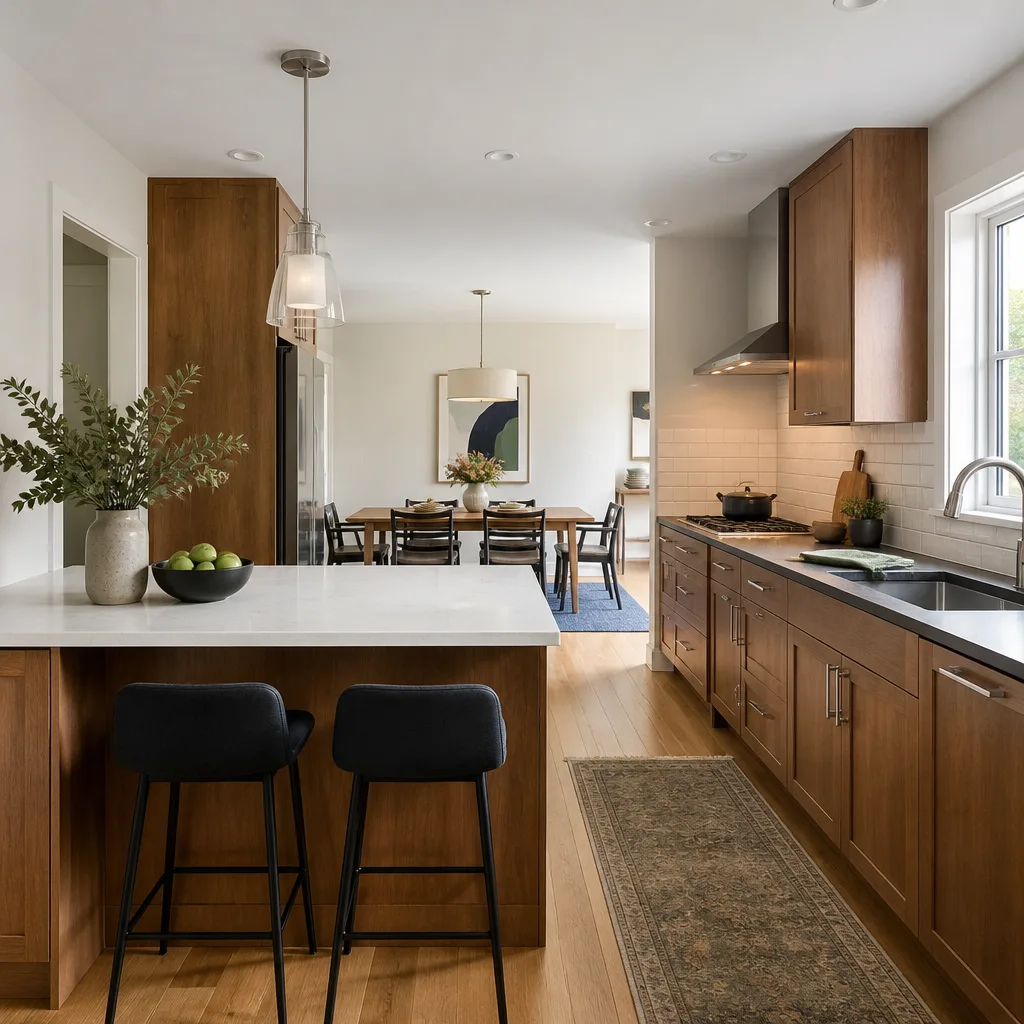
For a home addition or ADU in Orange County, the Cambria line item typically runs $2,000 to $6,500 when Cambria counters are part of a larger project like a kitchen install, and can exceed that when you’re doing a full ADU with kitchen, bath, and laundry surfaces. When we’re replacing a failed slab in an existing structure, the range drops because the plumbing and framing are already done, but templating and fabrication costs stay the same.
| Scope | Typical Orange County Range |
|---|---|
| Full home addition with Cambria counters | $45,000 – $130,000 |
| Detached ADU with Cambria throughout | $90,000 – $220,000 |
| Garage conversion with Cambria kitchen | $30,000 – $80,000 |
| Cambria countertop replacement only | $2,000 – $6,500 |
Every quote includes templating, fabrication, delivery, install, and haul-away of the old material. The written price you get before we start is the price on the final invoice, no change orders at the door. That’s The Garrison Standard, and it applies to every Bradford Remodeling job, including Cambria work in Orange County.
DIY or Call Us?
Cambria slabs are heavy. A single 3cm island section can weigh 400 to 600 pounds, and setting it wrong cracks the material or injures the person underneath. This is not a DIY job, and we’ll say that plainly. What you can do safely is check the support structure: shine a flashlight under the overhang, look for missing corbels, uneven cabinet rims, or gaps between the subtop and the slab. Those observations help us diagnose whether your issue is material or structure before we send a crew out.
If your Cambria is cracked, separating, or bouncing, call us at (562) 262-2907. Curtis Lane walks job sites himself in Orange County, and you’ll get a straight answer on whether you need a slab replacement or a structural fix underneath. Straight number, clear scope, no surprises at final invoice.
FAQs
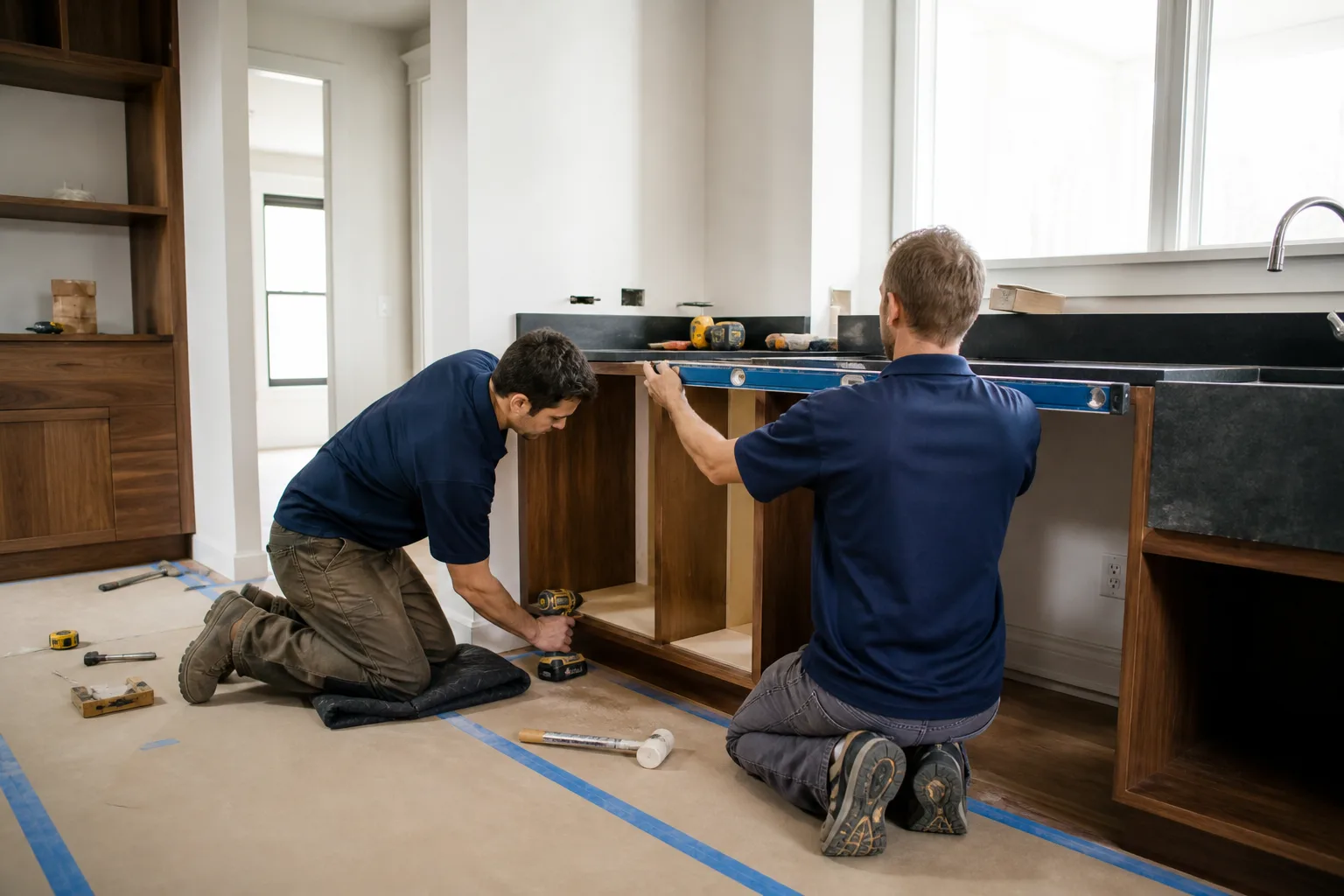
Cambria quartz carries a lifetime limited warranty against manufacturing defects from the date of original installation, but that assumes proper fabrication and support. In the Orange County climate, the bigger variables are support structure, UV exposure on outdoor kitchens, and whether the slab was installed over an adequately leveled cabinet run. A properly supported Cambria counter in a home addition will outlast the cabinets it sits on. Call (562) 262-2907 and we’ll inspect your existing install before you spend money replacing anything.
A crack near a sink cutout or along a stress point can often be repaired with a color-matched epoxy fill that restores the surface, provided we also correct the underlying support problem. If the crack runs through the full slab width or follows a seam, replacement is usually the stronger call. The honest answer depends on the crack location and the substrate, and we’ll tell you which is which when we look at it. Estimates are free, and the written price doesn’t move after you approve it.
Templating takes about an hour on-site, fabrication runs 7 to 14 days depending on the fabricator’s queue, and installation is usually one day for a kitchen or two to three days for a full ADU with multiple surfaces. The timeline bottleneck is always fabrication, which is why we lock in the slab lot number at template time. If you’re mid-project and your Cambria order is holding you up, call (562) 262-2907 and we’ll get the template scheduled.
We don’t warehouse Cambria slabs, because every project cuts from a specific lot that matches your design selection. What we do keep in stock is the sample library, the edge profile samples, and the spec sheets that let you finalize a selection without waiting on a showroom appointment. We’ll also pull availability from Cambria’s current orderable list before you commit to a design, so you aren’t waiting three weeks to find out your color was discontinued. Call (562) 262-2907 and ask for Curtis.
Written by Curtis Lane, Owner, Bradford Remodeling Co – Orange County at Bradford Remodeling Co Orange County, serving Orange County and nearby areas.


